
Plumbing Compliance in Cape Town
Fast, professional issuance of Water Installation Certificates (WICC) for property transfers, ensuring your home or business meets the City of Cape Town’s strict Water By-laws, and certified electrical inspections that meet SANS 10142-1 standards.
For Home Sellers & Buyers
The City of Cape Town Water By-Law Explained
If you are selling a property within the jurisdiction of the City of Cape Town, you are legally required to provide a Water Installation Certificate of Compliance. Unlike the Electrical COC, which is a national requirement, the Plumbing Complianceis governed by the City of Cape Town Water By-law (2010) and its 2018 amendments.
The primary goal of this certificate is water conservation. In a water-scarce region like the Western Cape, the City uses this process to ensure that every property being sold is free of leaks and wastage, protecting both the municipal supply and the new homeowner from hidden costs.
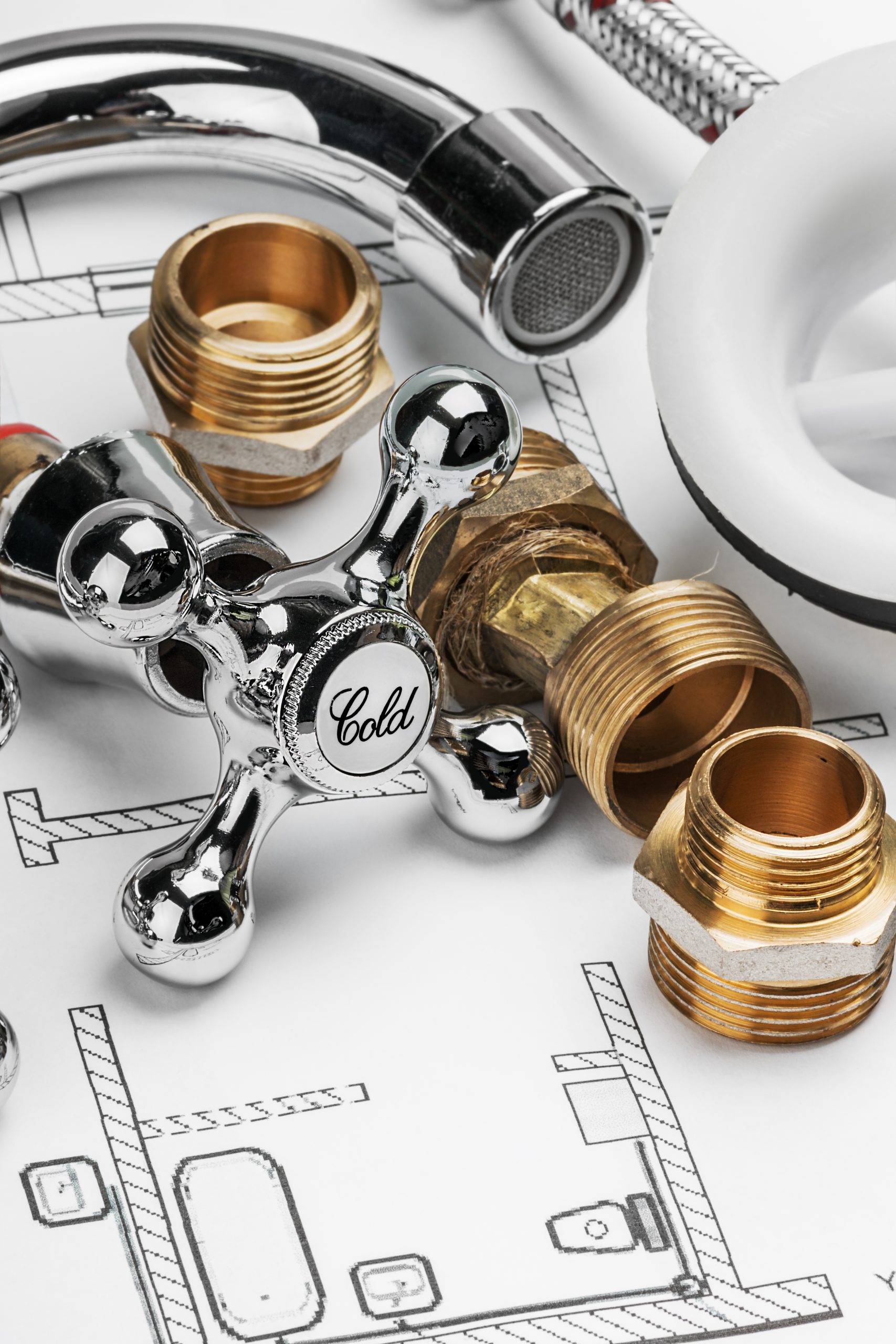
What does our inspection cover?
Our registered plumbers perform a rigorous audit based on Schedule 4 of the municipal by-law. To pass the inspection and receive your Plumbing Compliance, your property must meet the following criteria:
-
The Water Meter: The meter must be functional and accurately register flow when a tap is opened, and—crucially—stop completely when all taps are closed.
-
No Leaks: There must be no detectable leaks in the potable water system (pipes, terminal fittings, or valves).
-
Stormwater & Sewerage: No stormwater may be discharged into the sewerage system. This is a common failure point in older Cape Town homes.
-
Cross-Connections: There must be no cross-connections between your drinking water (potable) and any “alternate” water systems, such as greywater tanks or boreholes.
-
Isolating Valve: A functional private isolating valve must be installed near the water meter.
-
Pipe Security: Water pipes must be properly “saddled” (secured) to prevent “water hammer” and pipe fatigue.

Geyser & Hot Water Compliance (SANS 10252/10254)
A major part of the Plumbing Compliance certificate involves the Hot Water Cylinder (Geyser). Under SANS 10252 and SANS 10254, your geyser must be installed with specific safety features to prevent explosions or flooding:
Vacuum Breakers: Must be installed at least 300mm above the geyser to prevent the tank from siphoning dry.
Drip Tray: A tray must be present, and it must have a “fall” (slope) toward a discharge pipe that leads to the exterior of the building.
Temperature & Pressure (T&P) Valve: The discharge from this valve must be piped to the outside using copper or steel—never plastic—as it handles boiling water.
Why Use ComplyNow?
Many property transfers in Cape Town are delayed because a “cheap” Plumbing Compliance inspection missed a major issue. If the City’s water inspectors find a fault after the certificate has been filed, the transfer can be halted.
At ComplyNow, we provide:
-
IOPSA Registered Plumbers: All our inspectors are accredited by the Institute of Plumbing South Africa.
-
Transparent Fault Reporting: If your property fails, we provide a detailed list of what needs to be fixed to reach compliance.
-
Fast Filing: We handle the submission of the signed certificate to the City of Cape Town on your behalf.
The Process
Site Audit:
Our qualified inspectors visit your
property for a thorough assessment.
Remedial Work (If Required):
We identify any faults that prevent compliance and provide a clear,
transparent quote to fix them.
Certification:
Once compliant, we issue your digital certificates immediately, ready for
your bank, insurer, or municipality.
Plumbing Compliance Frequently Asked Questions
-
How long is a Cape Town Plumbing Compliance Certificate valid for? The certificate is valid for six months from the date of issue. However, if any alterations are made to the plumbing system during that time, a new certificate must be obtained. Most conveyancing attorneys recommend getting the inspection done as soon as a sale agreement is signed.
-
Does the certificate cover blocked drains? No. The City of Cape Town Water By-law focuses on water wastage and system integrity. A blocked drain or a slow-draining sink is considered a general maintenance issue, not a compliance failure.
-
What about Sectional Title units (Flats)? Even if you live in a flat, you still need a Water Installation Certificate to sell your unit. While the Body Corporate is responsible for the common property pipes, the owner is responsible for everything from the internal stop-cock onwards.
-
Is an Electric Fence certificate also required for plumbing? While they are different fields, they often go hand-in-hand during a property sale. We offer “Bundle Deals” for Electrical, Plumbing, and Beetle certificates to save you time and call-out fees.
-
Can I use a borehole to flush my toilets? Yes, but the City is very strict about this. You must have a backflow preventer installed to ensure that the borehole water can never accidentally flow back into the City’s clean drinking water lines. Our inspectors check specifically for these “cross-connections.



Empire Atlantic (Pty) Ltd. 2014/085066/07
T/A ComplyNow
ComplyNow, is a compliance coordination service that facilitates legally required compliance certificates through registered and accredited service providers. ComplyNow does not conduct inspections or issue certificates. All compliance certificates are issues by independent professionals in accordance with South African legislation and municipal regulations.
Phone
+27 82 315 6926