
Gas Compliance in Cape Town
Certified Gas Certificates of Conformity (COC) in Cape Town. Ensure your gas stove, hob, or water heater meets the latest SANS 10087-1:2024 safety standards for insurance and property transfers.
Why You Need a Gas Compliance Certificate
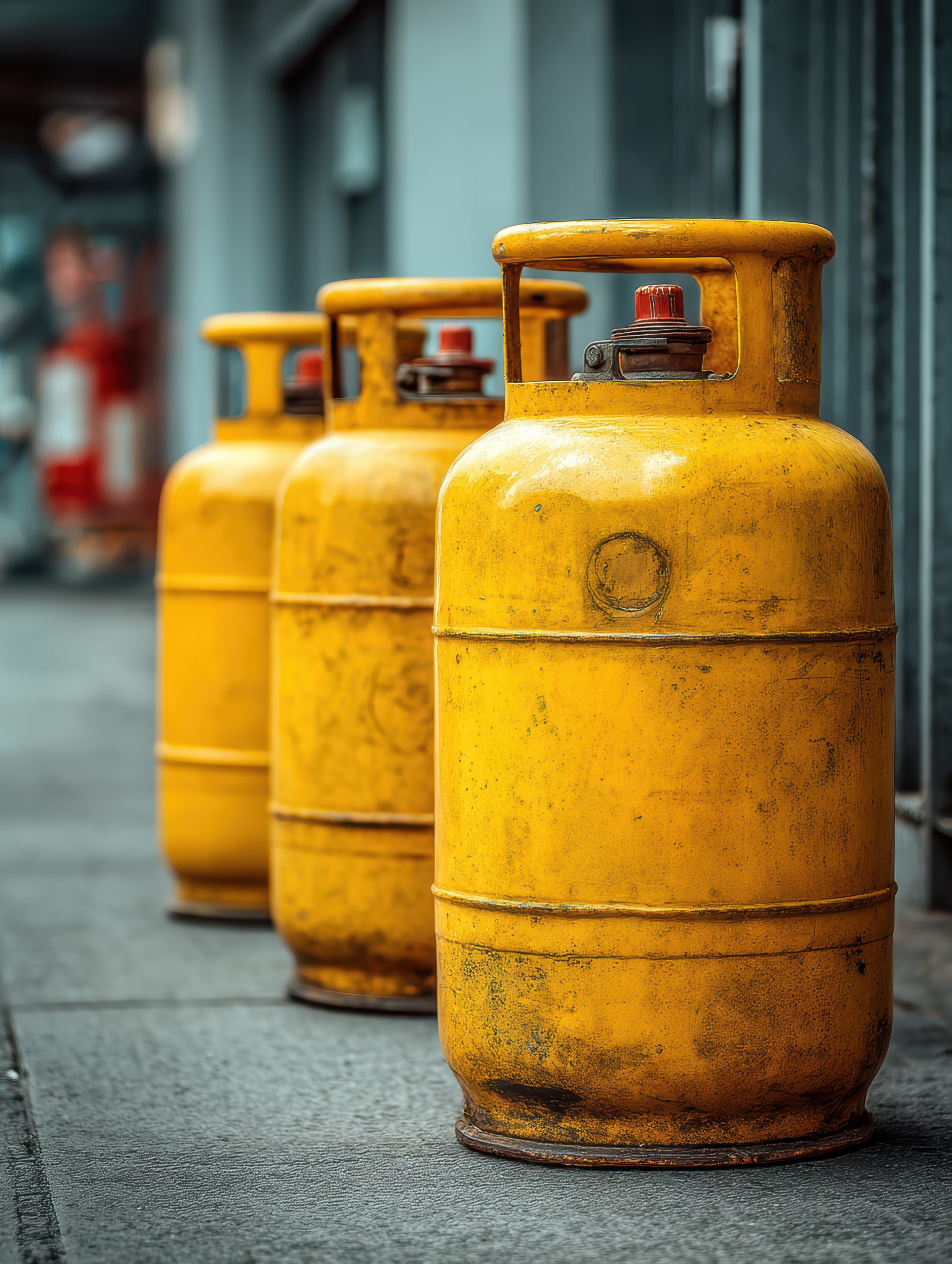
With the rising cost of electricity in 2026, many Cape Town residents have switched to Liquefied Petroleum Gas (LPG) for cooking and heating. However, gas is a high-pressure, flammable substance that requires professional oversight.
Under the Occupational Health and Safety Act and the Pressure Equipment Regulations, any permanent gas installation must have a valid Gas Compliance Certificate. This is not just a recommendation; it is a legal mandate that protects your property, your family, and your insurance coverage.
Selling a House with Gas?
If you are selling a property in the Western Cape with a permanent gas appliance (stove, hob, fireplace, or geyser), the law requires you to provide the buyer with a valid Gas COC.
Why Insurance Companies Deny Claims: In the event of a fire, the first document an assessor will request is your Gas COC. If the installation was a “DIY job” or if the certificate is missing, insurers have the legal right to repudiate your claim. ComplyNow provides the certified, SAQCC-registered sign-off you need to keep your policy valid.
The New SANS 10087-1:2024 Standards
Is Your Installation Up to the Latest Code?
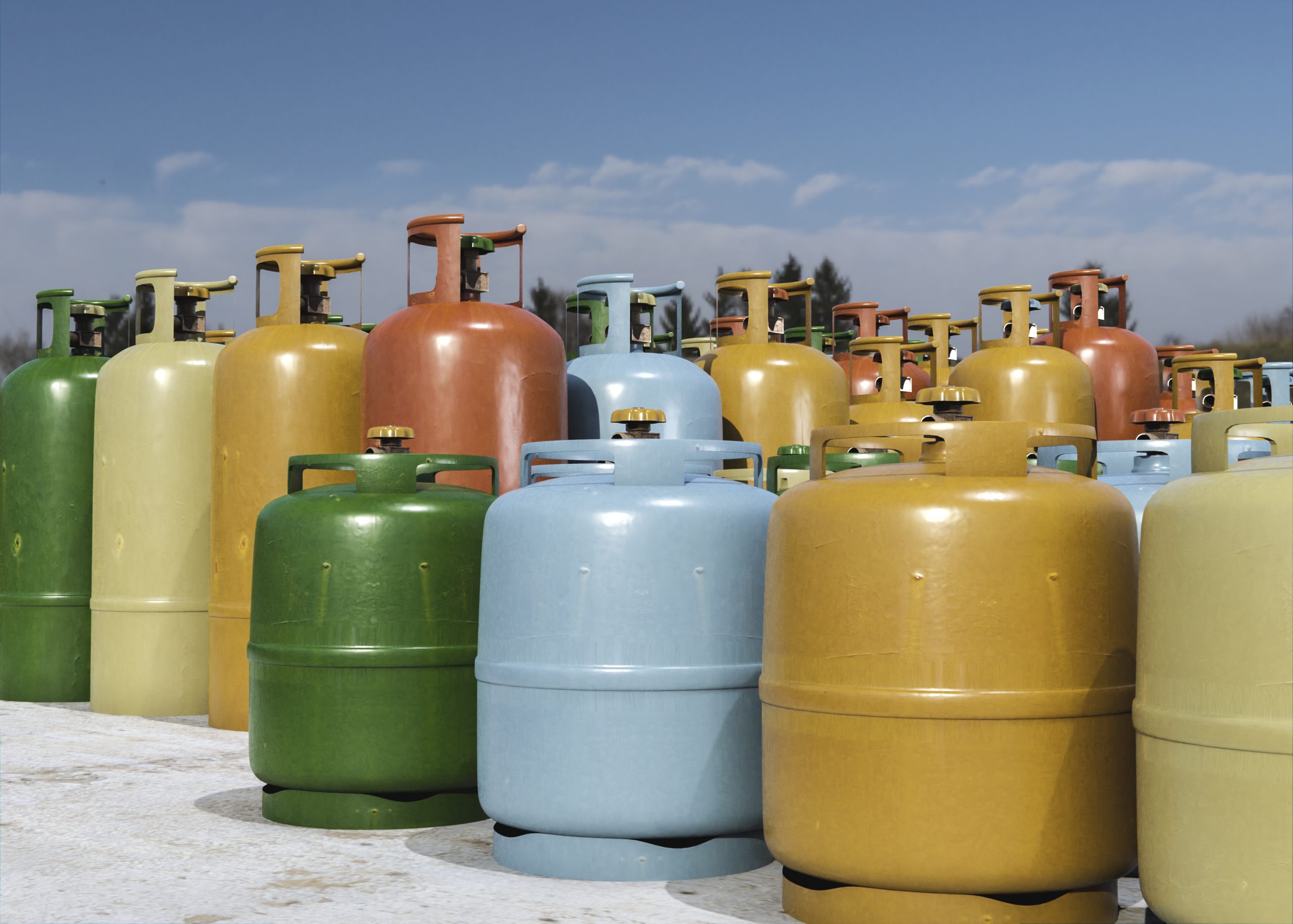
The safety regulations for LPG were updated recently. At ComplyNow, we ensure your installation complies with the 2024 Edition of SANS 10087-1, which includes strict rules regarding cylinder placement:
-
Safety Distances: Cylinders must be at least 1 meter away from doors and windows, 2 meters from drains and air vents, and 5 meters away from any electrical source of ignition (like pool pumps, aircon units, or DB boards).
-
Indoor Storage: In Cape Town, houses are limited to 19kg of gas indoors, while flats/sectional titles are strictly limited to 9kg.
-
Ventilation: If a cylinder is stored in a cupboard, that cupboard must have permanent ventilation at both the top and bottom to prevent gas buildup.
-
Firewalls: If your cylinders are close to a boundary, a fire-rated wall of at least 1.8m in height may be required.
Our Gas Inspection Process]
Safety First, Every Time
Our registered LPG installers perform a 10-point safety check:
Leak Detection: Electronic and bubble tests on all joints and valves.
Pressure Testing: Ensuring the regulator and piping maintain safe pressure levels.
Piping Integrity: Checking that only Class 1 or 2 Copper or approved Pex-Al-Pex piping is used (standard plumbing copper is not allowed).
Hose Inspection: Verifying that orange rubber hoses are not longer than 2m and do not pass through walls or partitions.
Shut-off Valves: Ensuring an accessible isolation valve is installed for every appliance.
The Process
Site Audit:
Our qualified inspectors visit your
property for a thorough assessment.
Remedial Work (If Required):
We identify any faults that prevent compliance and provide a clear,
transparent quote to fix them.
Certification:
Once compliant, we issue your digital certificates immediately, ready for
your bank, insurer, or municipality.
Gas Compliance Frequently Asked Questions
-
How long is a Gas COC valid for? While the law requires a new certificate upon the sale of a property, we recommend a safety inspection every 5 years to ensure that rubber components (like pigtails and seals) haven’t perished.
-
Can I install my own gas stove? No. In South Africa, it is illegal to install any fixed gas appliance yourself. It must be done by a SAQCC Gas-registered practitioner. A DIY installation will invalidate your home insurance and could lead to municipal fines.
-
Does a 9kg bottle need a certificate? Yes. If the 9kg bottle is connected to a fixed appliance (like a built-in hob) via a permanent or semi-permanent line, it is considered a fixed installation and requires a COC.
-
What is the difference between LPG and Natural Gas? Most Cape Town homes use LPG (bottled gas). Natural gas is supplied via underground pipes (common in parts of Johannesburg). The safety standards and certifications for each are different; ComplyNow specializes in LPG compliance for the Western Cape.



Empire Atlantic (Pty) Ltd. 2014/085066/07
T/A ComplyNow
ComplyNow, is a compliance coordination service that facilitates legally required compliance certificates through registered and accredited service providers. ComplyNow does not conduct inspections or issue certificates. All compliance certificates are issues by independent professionals in accordance with South African legislation and municipal regulations.
Phone
+27 82 315 6926