
Electrical Compliance in Cape Town
Ensure your property is safe, insured, and transfer-ready with
certified electrical inspections that meet SANS 10142-1 standards.
For Home Sellers & Buyers
Seamless Property Transfers in the
Western Cape
If you are selling your home, the bank and the deeds office require a valid Electrical Compliance Certificate (COC) before the transfer can be finalised. But for a buyer, the COC is your only guarantee that you aren’t moving into a fire hazard.
-
Seller’s Responsibility: You are legally required to provide an Electrical Compliance Certificate that is not older than two years (provided no changes have been made to the system).
-
Buyer’s Peace of Mind: We identify “hidden” faults—such as improper earthing or overloaded circuits—that standard home viewings miss.
-
Conveyancing Ready: We work directly with Cape Town attorneys to ensure the paperwork is filed correctly and on time.
For Factory & Building Owners
Industrial Compliance & The OHS Act
For factories and commercial developments, electrical compliance is a continuous obligation. Under the Occupational Health and Safety Act, the owner or user of an electrical installation is responsible for its safety.
Our Industrial Services Include:
-
Annual Safety Audits: Routine inspections to prevent downtime and electrical fires.
-
Hazardous Area Certification: Specialised compliance for high-risk environments.
-
DB Board Thermal Imaging: Identifying hotspots before they lead to catastrophic failure.
-
Electrical Compliance of Compliance for New Installations: Comprehensive sign-off for factory upgrades or new machinery layouts.
What does our inspection cover?
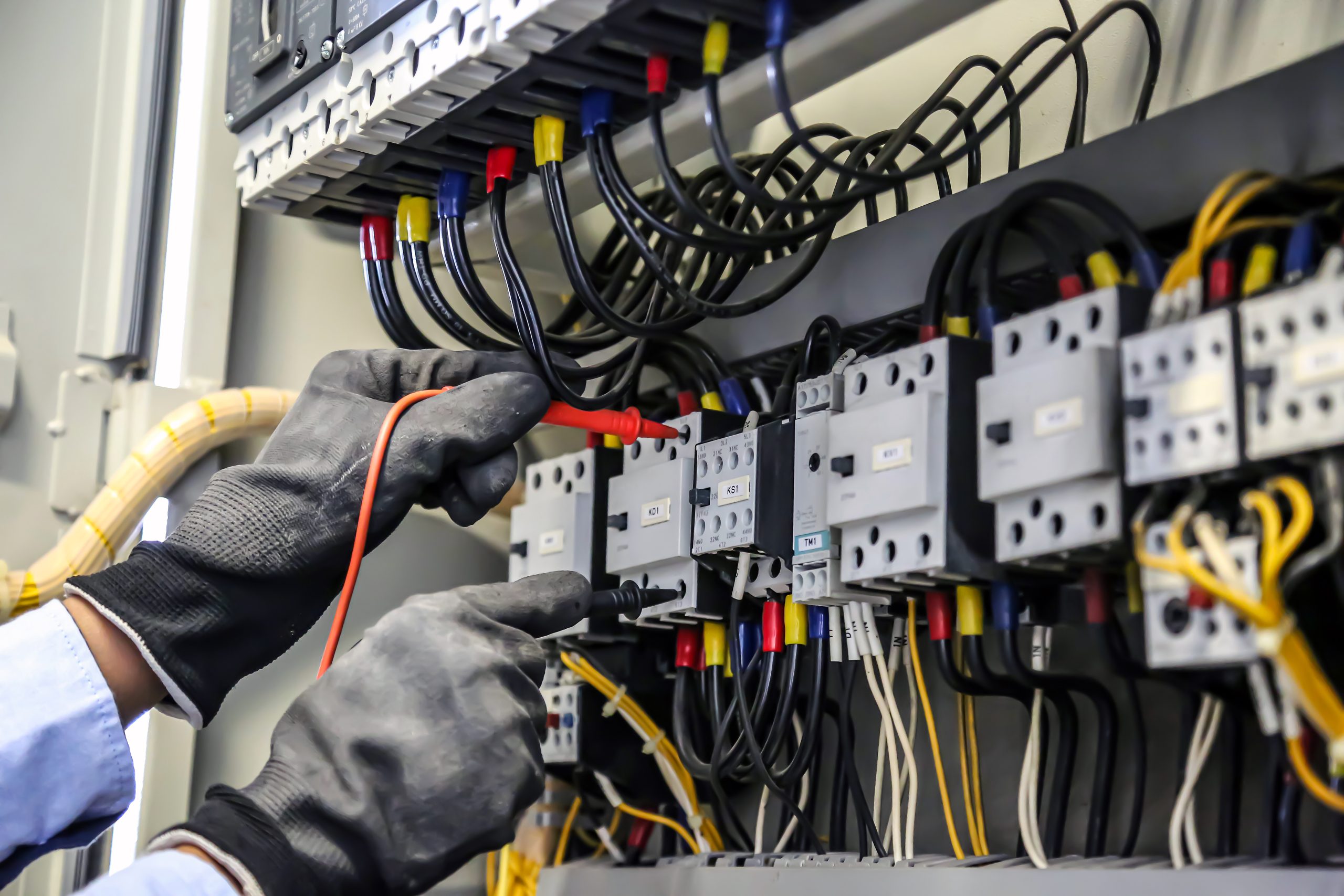
We don’t just “check a box.” A ComplyNow inspection includes:
-
The Distribution Board (DB): Checking for correct labeling, circuit breakers, and earth leakage protection.
-
Earthing & Bonding: Ensuring the entire system is properly earthed to prevent electric shocks.
-
SANS 10142-1 Compliance: Verifying that all wiring, switches, and sockets are installed according to the national code.
-
Fixed Appliances: Testing the electrical connections to your geyser, stove, and gate motors.
Electric Fencing
Is Your Fence Legally Compliant?
An electric fence is one of the most effective security measures in South Africa, but it is also a potential legal liability.
The 2026 Safety Standards (SANS 10222-3)
New Updates You Need to Know
The latest revisions to the national safety standards have introduced more rigorous requirements for perimeter security.
-
Strategic Warning Signs: It is no longer enough to have just a few signs. Warning signs must be placed at every gate (pedestrian and vehicle), every corner of the property, and at intervals of no more than 10 meters in urban areas.
-
Minimum Mounting Height: For boundary walls, the electrified wires must be at least 1.5 meters above the natural ground level to prevent accidental contact by passers-by.
-
Proper earthing is critical; without it, a fence can become lethal rather than a non-lethal deterrent. -
Anti-Chafe and Tensioning: We check that all insulators and tensioners are of a high grade to prevent wire fatigue and false alarms.
Property Transfers & Legal Liability
Crucial for Sellers and Landlords
In the Western Cape, conveyancing attorneys cannot finalize a property transfer if the electric fence is not certified.
The Risks of Non-Compliance:
Insurance Repudiation: If an intruder is injured by a non-compliant fence, or if a fire is traced back to a faulty energizer, your insurer can reject your claim.
Personal Liability: As the property owner, you can be held criminally liable if a person (even a trespasser) is seriously harmed by an installation that does not meet SANS safety specifications.
Transfer Delays: A missing EFSCC is a common reason for “last-minute” delays at the deeds office.
Property Transfers & Legal Liability
Crucial for Sellers and Landlords
In the Western Cape, conveyancing attorneys cannot finalize a property transfer if the electric fence is not certified.
The Risks of Non-Compliance:
Insurance Repudiation: If an intruder is injured by a non-compliant fence, or if a fire is traced back to a faulty energizer, your insurer can reject your claim.
Personal Liability: As the property owner, you can be held criminally liable if a person (even a trespasser) is seriously harmed by an installation that does not meet SANS safety specifications.
Transfer Delays: A missing EFSCC is a common reason for “last-minute” delays at the deeds office.


The Process
Site Audit:
Our qualified inspectors visit your
property for a thorough assessment.
Remedial Work (If Required):
We identify any faults that prevent compliance and provide a clear,
transparent quote to fix them.
Certification:
Once compliant, we issue your digital certificates immediately, ready for
your bank, insurer, or municipality.
Electrical Compliance Frequently Asked Questions
-
What is a “Supplementary Electrical Compliance Certificate” and when do I need one? A supplementary Certificate of Compliance is required whenever an addition or alteration is made to an existing electrical installation that already has an initial COC. For example, if you add new outdoor security lighting, install a new air conditioning circuit, or extend your kitchen wiring, you don’t necessarily need a brand-new certificate for the whole house. Instead, a supplementary COC is issued to cover only the new work. However, this is only valid if it refers back to an original, valid master certificate for the rest of the property. At ComplyNow, we ensure these are correctly linked to keep your legal trail seamless.
-
Do I need a separate certificate for my Electric Fence? Yes. Many Cape Town homeowners assume their standard Electrical Compliance Certificate covers their electric fence, but this is a common misconception. Since 1 October 2012, South African law (Electrical Machinery Regulations) requires a separate Electric Fence System Compliance Certificate (EFSCC). This must be issued by a person registered with the Department of Labour specifically as an Electric Fence System Installer. If you are selling your property or claiming from insurance for a fence-related incident, a standard Electrical Compliance Certificate will not be sufficient.
-
Can an Electrical Compliance Certificate be issued for a property with “temporary” wiring? Strictly speaking, no. SANS 10142-1 is very clear that all wiring must be permanent and safe. Temporary “extension cord” solutions used to power outbuildings, Wendy houses, or garden features are a major cause of COC failure in Cape Town. During our inspection, we often recommend that clients either remove these temporary lines or allow us to quote on installing permanent, weather-protected conduit and cabling that meets municipal safety standards.
-
What is the difference between an Installation Electrician and a Master Electrician? The level of certification determines what kind of property can be signed off. A Single-Phase Tester is limited to basic residential work. An Installation Electrician (IE) can sign off on both single and three-phase installations, covering most homes and standard commercial buildings. However, for specialized or high-risk environments—such as petrol stations, factories with hazardous locations, or heavy industrial plants—you require a Master Installation Electrician (MIE). ComplyNow provides access to the correct level of expertise to ensure your specific industrial environment is legally certified.
-
Does the City of Cape Town have different rules than the rest of SA? While the OHS Act and SANS 10142-1 are national, the City of Cape Town (CoCT) is particularly strict regarding how electrical installations interface with the municipal grid, especially concerning the Electricity Supply By-Law. This includes specific requirements for meter accessibility and the registration of any secondary power sources (like inverters or generators). Choosing a local expert like ComplyNow ensures that your installation doesn’t just meet national safety codes, but also complies with Cape Town’s specific municipal utility requirements.



Empire Atlantic (Pty) Ltd. 2014/085066/07
T/A ComplyNow
ComplyNow, is a compliance coordination service that facilitates legally required compliance certificates through registered and accredited service providers. ComplyNow does not conduct inspections or issue certificates. All compliance certificates are issues by independent professionals in accordance with South African legislation and municipal regulations.